February 11, 2026
The Roles and Responsibilities of Educators
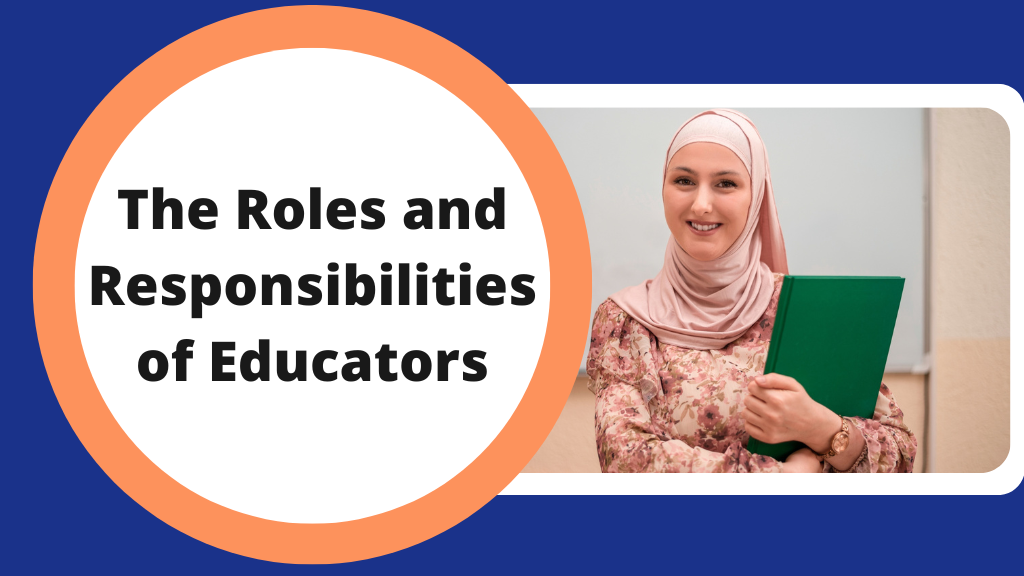
When people think about education, they often picture a teacher at the front of a classroom.
In reality, educators work in a wide range of learning environments, including further education colleges, training companies, adult learning centres, community organisations, and in the workplace, helping people develop new skills. Their job is guiding, supporting, and inspiring learners, but their responsibilities reach far beyond teaching alone.
What do educators do?
At its heart, the role of an educator is about enabling students’ learning. This could mean guiding a group through a structured qualification, mentoring an apprentice in their workplace, or helping an adult learner who wants to improve their English or maths skills.
In every case, the educator adapts their approach to meet the needs of their learners, creating a safe learning environment where people can achieve their goals.
Educators act as facilitators, motivators, and role models. They help learners make connections between theory and practice, develop problem-solving skills, and build the confidence to apply what they have learned in real situations.
What is the difference between a teacher & an educator?
The words teacher and educator are often used as if they mean the same thing, but:
All teachers are educators, but not all educators are teachers.
An educator is a broad term that includes teachers, trainers, instructors, lecturers, coaches, mentors, and others who help people learn. Unlike teachers, educators don’t always need QTS or QTLS and may have a range of other relevant teacher and instructor qualifications.
A teacher usually works in a school, college, or university. Their position is tied to a formal job title, a set curriculum, and specific subjects, for example, a maths teacher or an English teacher. In most state schools in England and Wales, teachers also need QTS (Qualified Teacher Status) or QTLS (Qualified Teacher Learning and Skills), which are the formal recognitions that allows them to teach in that setting.
The Roles and Responsibilities of Educators
An educator is a professional who combines teaching, supporting learners, and meeting wider responsibilities within an organisation or community.
Teaching and Learning Responsibilities
The overarching purpose of an educator’s role is to help people learn. This involves:
- Planning & preparing for teaching – designing schemes of work and lesson plans that are structured, achievable, and relevant to the learners’ needs.
- Teaching – using a range of engaging methods such as group activities, discussions, and practical demonstrations.
- Summative & formative Assessments – checking learners’ progress through tasks, projects, or tests, and providing constructive feedback to them.
- Adapting learning – recognising when learners need extra support or alternative approaches, and making adjustments to suit their learning style.
- Creating an inclusive environment – ensuring all learners, whatever their background or ability, can take part and succeed.
These responsibilities go hand in hand with subject knowledge. Educators are expected to keep their subject skills and knowledge up to date so they can provide accurate, relevant teaching.
Educator Responsibilities Beyond the Classroom
An educator’s job also extends beyond direct teaching. Their responsibilities include:
- Safeguarding – looking out for learners’ wellbeing as well as acting quickly and legally if concerns arise.
- Pastoral support – giving encouragement, guidance, and signposting learners to further help where needed.
- Record keeping & compliance – tracking attendance, achievement, and progress in line with awarding body and workplace requirements.
- Collaboration – working with colleagues, employers, or external organisations to support learners effectively.
- Professional development – engaging in continuous professional development (CPD) to maintain high standards and develop new skills.
Where can I work as an educator?
One advantage of becoming an educator is the variety of settings in which you can work. Unlike school teaching, which is often tied closely to the national curriculum, educators can work with learners of all ages and in many different environments.
Workplace Training
Educators design and deliver workplace training for staff, apprentices, or teams. This may include compliance courses, technical skills, or professional development.
Further Education (FE) Colleges
Educators in FE colleges deliver vocational courses, academic qualifications like A-Levels, or specialist training in subjects ranging from construction to health and social care.
Adult & Community Learning
Educators working in adult and community learning support adults who want to return to study, improve their English and maths, or gain new skills for work or personal development.
Apprenticeship Training Providers
Educators in apprenticeship training providers work directly with apprentices to build both practical skills and underpinning knowledge.
Roles in Higher Education (HE)
There are also opportunities for educators to work in student support and skills development teams within universities. These positions focus on helping students build academic skills, improve study techniques, or develop confidence in areas like writing, research, or giving presentations.
Community & Informal Learning
Some educators find their place in community or informal learning, working with people outside the usual classroom settings. It’s a broad area with lots of variety, and often one of the most rewarding parts of education. The work can often be hands-on and practical, giving educators the chance to support learners directly and make a real difference in their day-to-day lives.
Educators in these roles might:
- Work with vulnerable adults to develop life skills, like managing money, cooking healthy meals, or building confidence in everyday tasks.
- Teach hobby-based subjects like floristry, painting, or chess, helping learners develop new interests and connect with others.
- Deliver programmes through charities, local councils, or independent organisations, where courses might be aimed at social inclusion, employability, or lifelong learning.
- Support older learners by teaching digital skills, like using the internet, smartphones, or online banking – helping them stay connected and independent.
These kinds of roles can be a good fit for career changers because they place a lot of value on real-world experience, not just formal qualifications. They also give you the chance to make a direct and positive difference in people’s lives.
Online Education
Educators can also work online as teachers or course creators, delivering digital programmes to learners worldwide.
How to Train for an Educator Role
If you are considering becoming an educator, the first step is to gain a recognised teaching qualification.
Level 3 Award in Education and Training
The Level 3 AET is the ideal starting point for those new to teaching or training. It introduces you to lesson planning, teaching methods, and assessment fundamentals.
You don’t need to be currently teaching to enrol, which makes it accessible for career changers. Once complete, you will be able to apply for entry-level teaching and training posts in further education, workplace learning, and adult education.
Level 4 Certificate in Education and Training
The Level 4 CET builds on the AET and requires you to complete real teaching practice. This qualification develops your ability to create detailed schemes of work, deliver engaging sessions, and assess learners effectively.
It prepares you for more substantial teaching jobs and is valued by employers across FE colleges, private training providers, and community learning organisations.
Begin Your Journey to Qualifying as an Educator Today
If you’re considering a career change, becoming an educator allows you to use your existing skills in a new and rewarding way, with opportunities to work in further education, adult learning, workplace training, and community settings.
At Carlton Training, our courses are flexible and designed for busy adults who want to retrain or upskill. With expert tutor support and nationally recognised qualifications, you can take the first step towards a career that makes a real difference.
Start your journey today by exploring our teaching and instructor courses and begin building a future as a confident, skilled educator.
Next ›‹ Previous
Back to Blog