
March 4, 2026
Coaching Conversation Tips for Team Leaders
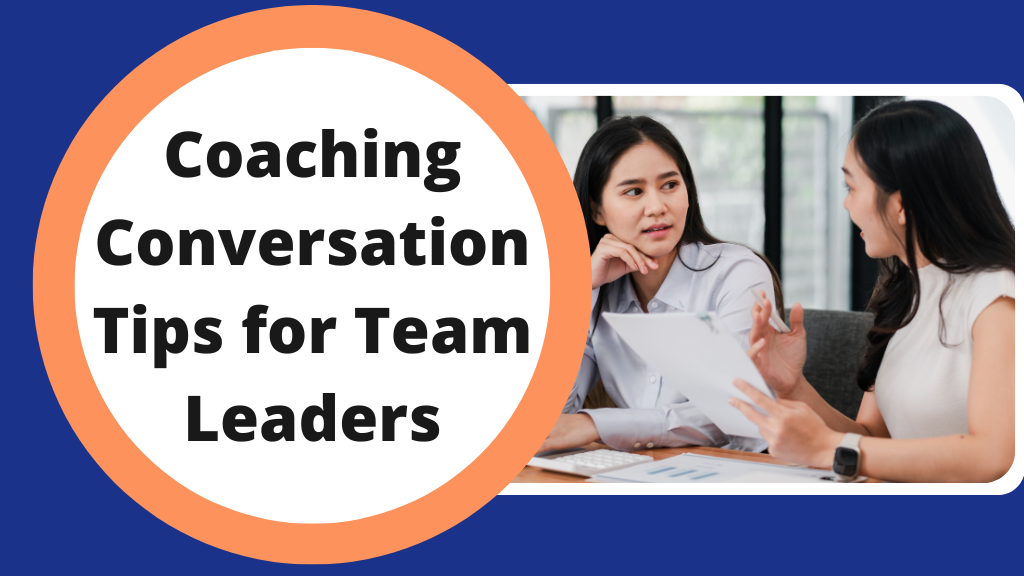
What happens when a manager stops giving quick answers and starts asking powerful coaching questions instead? Conversations shift from instruction to empowerment, and team members begin to uncover their own solutions with confidence.
What are coaching conversations?
A coaching conversation is a focused chat between a manager and a team member that aims to move things forward. It is different to a quick check-in or formal review because it uses coaching skills like active listening and asking open-ended questions to get people thinking for themselves. The coachee is encouraged to reflect on what’s going on, weigh up their options, and decide on the best next step.
For a manager, these conversations are an important part of leadership development. They bring teams closer and give people the chance to take real accountability. When leaders ask questions with curiosity, they show empathy and encourage empowerment, which makes it easier for team members to take ownership of their work.
Using simple coaching techniques like the GROW model keeps the discussion grounded and practical, while also helping to strengthen the coaching relationship.
Coaching Conversation Tips for Team Leaders
Tip 1: Create the Right Environment
The best coaching conversations start with the right setting. A manager who tries to squeeze in a quick word while rushing to a meeting won’t get the same results as one who takes time to sit down properly. Coaching sessions work best when both the manager and the team member can focus without distractions. Even a short one-to-one can have more impact if it happens in a space that feels private, calm, and respectful.
To start a workplace coaching programme that works, think about openness and trust. A coachee is more likely to share honestly if they feel safe from interruptions and confident their words will be taken seriously. This sense of mutual respect helps build trust and lays the groundwork for accountability later on. It also makes building a coaching relationship that encourages reflection rather than dependence easier.
Some managers find it helpful to use simple coaching techniques, like setting an agreed time and keeping phones away, to show full attention. This doesn’t need to be complicated, as the best ways are often the most obvious. A quiet corner, a short walk, or a regular slot in the diary can all make a big difference. By creating an environment that supports focus and empathy, managers can unlock more productive conversations and maximise team performance.
Tip 2: Listen Actively
Once the conversation has started, the most important thing for a manager is to listen. That might sound simple, but active listening takes more than staying quiet while a team member talks. It means giving full attention, picking up on what is said and what isn’t, and showing that you value their point of view.
To listen actively, managers need to respond thoughtfully and avoid rushing to fill silence with advice. A pause often gives the coachee space to think more deeply and uncover their own ideas. Reflecting back what you’ve heard in your own words can check understanding and show empathy. It also reassures the team member that they’ve been truly listened to, which helps build stronger trust within the team.
Active listening and asking open questions will reveal more than a list of problems; it can highlight what motivates people, where they need support, and how they see their role in the wider organisation. By using this approach, managers create a space where openness is encouraged and the coaching relationship grows stronger, which in turn promotes empowerment and makes each coaching session more meaningful and effective.
Tip 3: Ask Open & Useful Questions
By weaving powerful questioning into everyday coaching sessions, managers create a culture of continuous learning. It shows the coachee that their voice matters, strengthens the coaching relationship, and helps the whole coaching process lead to more practical outcomes.
Closed questions that only need a yes or no tend to shut things down. By contrast, asking open questions encourages a team member to think aloud, reflect, and explore their options.
Leaders ask with curiosity, using phrases that start with “what” or “how.” These powerful coaching questions guide the coachee to uncover new perspectives without the manager stepping in with ready-made answers. This style of questioning helps foster accountability and gives the team member confidence in their own decision-making.
Some of the best ways to keep a conversation moving include asking open-ended questions like:
- What options do you see here?
- How would you approach this if nothing stood in your way?
- What outcome would feel like success to you?
Tip 4: Encourage Reflection, Not Dependence
One of the most common traps a manager can fall into is solving every problem for their team. While it may feel quicker in the moment, it doesn’t help the team member develop. A coaching conversation should encourage reflection so the coachee can uncover their own answers and build confidence in handling challenges.
Tip 5: Keep Goals Clear & Achievable
Without clear goals, a coaching conversation can drift into general chat. A manager’s responsibility is to guide the team member towards goal setting that feels realistic and motivating. When the coachee leaves the discussion with a clear next step, they’re more likely to follow through and show accountability.
Goals need to be realistic while still stretching the coachee so they develop new skills and grow personally and professionally. They also work best when they are linked to the wider organisation’s aims, as it makes the team member feel connected to a shared purpose.
Tip 6: Give Constructive Feedback
Feedback is where a coaching conversation can either build trust or damage it. A manager who only points out mistakes risks creating defensiveness, while a balanced approach encourages growth. Constructive feedback should highlight what is working well and then focus on specific behaviours or actions that can be improved.
Giving feedback helps to show empathy and respond thoughtfully. Instead of a lecture, think of it as part of an ongoing coaching relationship. By linking feedback to agreed goals, the manager can keep the conversation practical and relevant. The coachee should leave with a sense of accountability and clarity about what to do next, not with vague criticism.
Tip 7: Follow Up
A coaching conversation doesn’t stop when the talk finishes. Progress comes from following up, turning good intentions into real action. When a manager takes the time to check in with a team member, it reinforces accountability and shows that their growth really matters.
Follow-up doesn’t always need a full coaching session. Sometimes a quick one-to-one or an informal chat is enough to revisit goals, track progress, and keep momentum going. These conversations across the week signal to the coachee that the coaching process is ongoing rather than a one-off event.
Things to be Mindful of When Team Coaching
Even the most powerful coaching conversations can lose their impact if a manager slips into unhelpful habits. Coaching skills are about helping the coachee reflect and take ownership, not turning every discussion into instructions.
Avoid Giving All the Answers
One common pitfall is stepping in with solutions too quickly. A coaching session should guide the team member to uncover their own ideas. Managers who always provide fixes risk creating dependence rather than empowerment.
Watch Out for Bias
Team members need to feel that each conversation is fair and consistent. Favouring one person or only coaching in times of crisis undermines the culture of continuous learning you want to foster.
Bias can also show up in more subtle ways. A manager might assume they already know best or view the issue only through their own experiences. This could include cultural background, gender, age, or any other factor that shapes how people are seen at work. Coaching sessions risk becoming one-sided when bias is left unchecked, and the coachee may feel unheard.
Adapt to Different Communication Styles
What feels like openness to one person might feel uncomfortable to another. A good manager uses empathy and adjusts their coaching techniques so every coachee feels supported.
Keep the Long-Term View
Coaching is part of leadership development, not a quick fix. By focusing on professional development, team performance, and shared purpose, managers can use the right coaching approach to respond thoughtfully, truly listen, and empower people to take the next step in their personal development.
Empower Your Team with Effective Coaching Conversations
You’ll need high-quality training beyond everyday conversations to get the best out of your team and hold effective coaching sessions. At Carlton Training, we provide ILM-accredited qualifications that equip managers with essential coaching skills and practical techniques to become effective coaches.
Our Level 3 Award in Effective Coaching and Level 3 Certificate in Effective Coaching are designed for managers who are ready to build a strong foundation of coaching skills and start applying them in real workplace situations. For those with more experience, our Level 5 Certificate in Effective Coaching and Mentoring develops advanced coaching techniques, leadership development strategies, and the confidence to foster a coaching culture across your organisation.
With the right coaching training, you can unlock improved performance, build stronger teams, and promote empowerment throughout your workplace. Take the next step in your professional development with Carlton Training and explore our coaching and mentoring courses today.
Next ›‹ Previous
Back to Blog