
June 30, 2025
What is the difference between an Assessor and an IQA?
If you’re exploring a role in training or education, or already working in it, you’ve probably heard of the Assessor and IQA roles. They’re often found in the same department, work closely together, and yes, they both deal with standards and learners. But make no mistake: these roles are not interchangeable. Let’s break it down […]
Read more
June 17, 2025
Verbal vs Written Feedback: How to Use Them With Your Learners
You’ve explained the topic, set the task, and watched your learners get to work… now comes the moment that makes the difference: providing feedback. It’s in these moments that real learning often happens. A quick comment, a helpful prompt, or a written note can steer someone in the right direction and boost their confidence. Actionable […]
Read more
June 5, 2025
What Qualifications Do I Need to Issue Certificates?
If you’re working in a training centre or further education (FE), you might be wondering what qualifications are actually needed to sign off on learner or training certificates. The short answer? You can’t do it alone. You can’t set up with just a printer and start passing people! You’ll need to be part of an […]
Read more
May 27, 2025
Mentoring vs Coaching: Which is Right for Your Team’s Development?
When your team is growing, adapting to change, or facing new challenges, they will benefit from support from colleagues, team leaders and more experienced people. One of the most effective ways to provide that support is through structured development, and that often starts with understanding the difference between mentoring vs coaching. If you’re planning training […]
Read more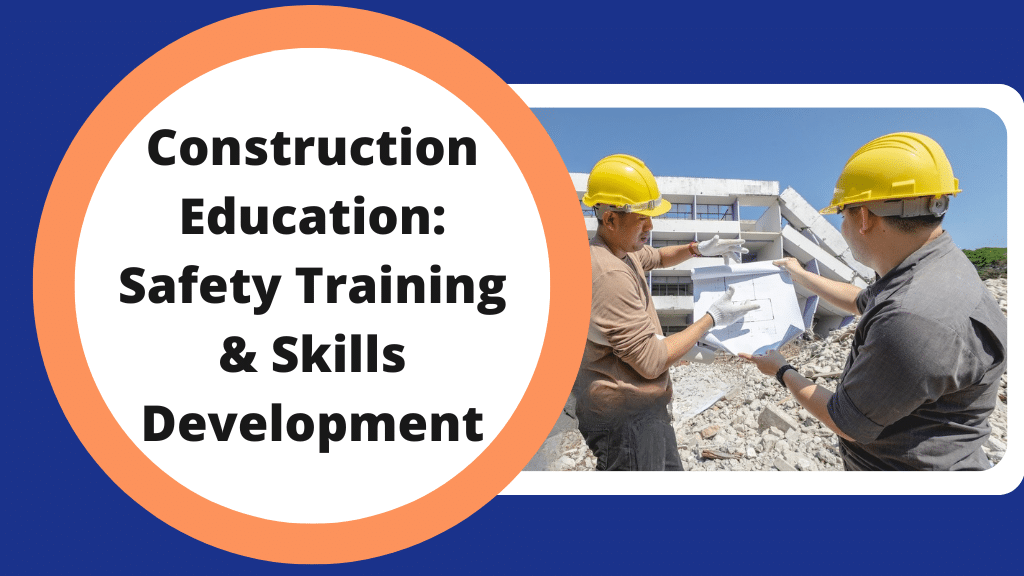
May 20, 2025
Construction Education: Safety Training & Skills Development
The construction industry is built on skill, experience, and precision, but safety and training courses are what keep sites running properly and people protected. No matter if you’re laying bricks, wiring buildings, or operating heavy machinery, knowing how to do it safely and correctly is essential. And that’s where construction education comes in. With the […]
Read more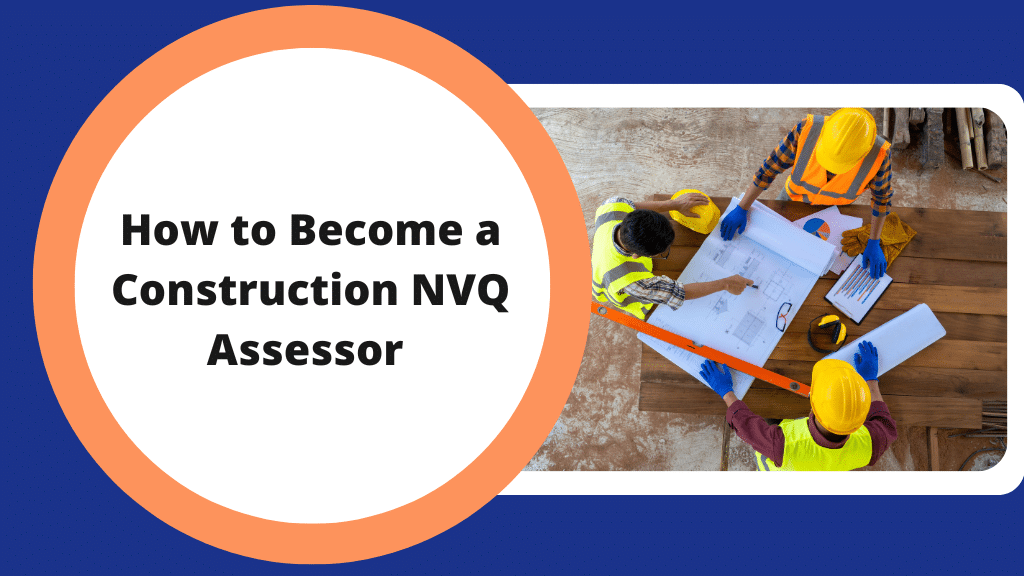
May 6, 2025
How to Become a Construction NVQ Assessor
Thinking about moving into a more senior role in the construction industry? If you’ve built up years of hands-on experience, becoming a Construction NVQ assessor could be your next step. It’s a practical way to pass on your skills, help others succeed, and continue working in the industry you know, but with greater flexibility and […]
Read more
April 30, 2025
Complete Guide to Assessment & Quality Assurance Careers in 2025
Ready to step into a career with clear growth opportunities and real impact? Assessment and quality assurance provide a professional path where your expertise matters and advancement is structured. In 2025, these roles are in high demand across the education and training sectors and come with competitive pay and the satisfaction of helping others achieve […]
Read more
April 22, 2025
Using the GROW Model in Workplace Coaching and Mentoring
Have you noticed how some workplace conversations seem to naturally inspire action while others lead nowhere? Or wondered how certain managers consistently develop high-performing team members while others struggle? The difference often lies in having a structured approach to professional development conversations. Using the GROW Model in workplace coaching and mentoring is especially effective in […]
Read more
April 22, 2025
What Leadership Pathways Are There For Further Education Teachers?
Ready to use your Further Education (FE) teaching expertise in a new leadership role? Whether your next step is a position that combines teaching with leadership responsibilities or a senior position out of the classroom, there are various leadership pathways to reach your dream role. No matter which route you choose, effective leadership in FE […]
Read more
March 26, 2025
Adapting Teaching Methods for Neurodiverse Adult Learners
Imagine you’re in a classroom where everyone occasionally speaks in a different language, there’s a flickering light overhead, and your chair wobbles every time you move. Despite all of this, you’re expected to engage, take notes, and contribute, despite feeling overwhelmed, confused and pressured to appear unaffected. Welcome to the daily reality for millions of […]
Read more