April 8, 2026
How to Become a Beauty Assessor
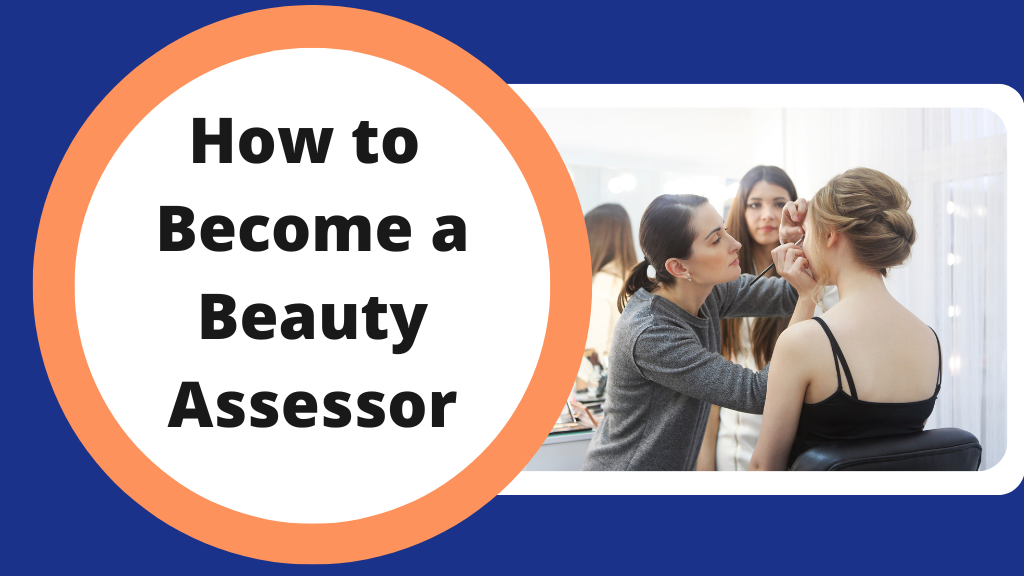
If you’ve spent years building your skills in beauty therapy, you’ll know that confidence comes from practice, repetition, and real client work. Over time, it’s common to take on more responsibility, guiding junior staff, supporting apprentices, or helping new starters settle into the salon.
At that point, many therapists start thinking about what comes next. You might want a change from full-time treatments, or a job that still uses your experience in a different way. Becoming a beauty assessor is a natural step. It allows you to stay in the industry while focusing on developing others.
If you’re already supporting learners in your day-to-day work, you’re closer to this role than you might think.
What does a Beauty Assessor do?
A beauty assessor checks that learners meet the required standards in both practical treatments and theoretical knowledge. You’ll assess fairly, observe how tasks are carried out and confirm that each learner is working at the right level as they progress through their training.
In practice, this means watching treatments like facials, waxing, nail services, or advanced skin procedures, depending on the qualification. You’ll also ask questions to check understanding, review written work, and look through portfolios of evidence to build a full picture of each learner’s ability.
The focus is on judging competence rather than teaching. You’re there to decide if the learner meets the standard, based on what you see and the evidence they provide.
You’ll use a mix of assessment methods, including observation, professional discussion, and reviewing completed work. Clear record-keeping is part of the role, along with giving constructive feedback so learners understand what they’ve done well and what they need to improve before their next assessment.
How to Become a Beauty Assessor
Build Your Beauty Sector Experience
To assess learners properly, you need a strong background in beauty therapy. This shows that you understand how treatments should be carried out in real working environments.
Your experience helps you recognise good technique, spot mistakes, and make fair decisions. It also means your feedback carries weight, as learners can trust that it comes from someone who has done the job themselves.
Most training providers and employers will expect you to have worked in the beauty industry and to be confident across the treatments you’ll be assessing.
Do a Level 3 Beauty Assessor Course
To become an assessor, you’ll need a Level 3 assessor qualification. The most widely recognised option is the Level 3 Certificate in Assessing Vocational Achievement (CAVA).
CAVA allows you to assess learners both in the workplace and in training environments. This is important in beauty, where learners often complete part of their training in salons and part in colleges or training centres.
This qualification has replaced the older A1 assessor award. If you hear people refer to “A1”, they’re usually talking about what is now covered by CAVA.
Understand the Assessment Process
As an assessor, you’ll work with education and training providers, colleges, or employers delivering qualifications like NVQs or apprenticeships.
You’ll need to follow set standards and assessment criteria, making sure every learner is judged consistently. This means understanding what the qualification requires and applying those standards fairly across all assessments.
You’ll also need to keep clear records of your decisions and provide feedback that explains how the learner performed against the criteria.
Benefits of Becoming a Beauty Therapist Assessor
Becoming a beauty assessor gives you a clear way to move forward in your career while still using the skills you’ve built in the salon.
One of the main benefits is reducing the physical demands of full-time treatment work. Long days on your feet and repetitive strain can take their toll over time. Assessing allows you to stay involved in the industry without the same level of physical pressure.
You also gain more variety in your work. Instead of carrying out treatments all day, you’ll spend time observing learners, reviewing their skills and knowledge, and working across different environments. This could include salons, colleges, or training providers, depending on your job.
Flexibility is another advantage. Many assessor roles can be part-time, freelance, or combined with other work. This makes it easier to build a schedule that suits you, especially if you want a better balance between work and personal time.
There’s also the job satisfaction that comes from helping others develop. You’re not only delivering treatments, but you’re shaping the next group of beauty therapists as they build their confidence and skills.
Demand for qualified assessors remains steady, especially in apprenticeships and vocational training. Employers look for people with real industry experience who can assess learners fairly and keep standards consistent.
What does the Certificate in Assessing Vocational Achievement Course involve?
Learning the Principles of Assessment
You’ll start your CAVA qualification by getting familiar with how the assessment works. This includes planning assessments, working to set standards, and recording your decisions properly.
You’ll also learn how assessment links to awarding body requirements, so you know what is expected and how to stay consistent.
Using Assessment Methods
A big part of the course focuses on how to assess learners in different ways. This includes observing treatments, asking questions, holding professional discussions, and reviewing written work or portfolios.
You’ll learn when to use each method and how to apply them properly so your decisions are fair and based on clear evidence.
Carrying Out Real Assessments
You’ll then complete practical assessments with real learners. This is where you put your assessor training into practice.
You’ll observe treatments, ask relevant questions, and make clear decisions about their knowledge and understanding based on what you see. All of this is recorded in your portfolio, which shows that you can assess to the required standard.
By the end of the course, you’ll have proven that you can assess competence across both workplace and training settings.
Where can a Beauty Assessor work?
Once you’re qualified, you’re not limited to one type of workplace. Beauty assessors can work across a range of settings, depending on what suits their experience and schedule.
Many assessors stay within salon environments. You might assess junior staff or apprentices on-site, watching how they carry out treatments and tracking their progress as they build their skills.
Colleges and training providers are another common route. These jobs often involve assessing diploma or NVQ level learners, both in practical sessions and through coursework.
You can also work with apprenticeship providers, visiting different salons to assess learners’ vocational skills in their normal working environment. This can bring more variety, as you’ll see how different businesses operate.
Some assessors choose to work freelance. This allows you to assess across multiple locations, giving you more control over your workload and the type of work you take on.
Career Progression After Becoming a Beauty Therapist Assessor
Becoming a beauty assessor opens up several routes if you want to keep developing your career.
A common next step is moving into internal quality assurance (IQA). In this role, you check the work of other assessors to make sure decisions are consistent and meet the required standards. It’s suited to people who want more responsibility and a broader view of how training is delivered.
With more experience, some assessors go on to work with awarding organisations as external quality assurers (EQAs). This involves visiting different centres, reviewing their assessment processes, and making sure they meet national standards.
Assessing can also lead into teaching or training jobs as there is often an overlap between the two. However, there is a clear difference between teaching and assessing. Teaching focuses on delivering knowledge and helping learners develop skills, while assessment is about judging whether those skills meet the required standard. Because of this, some assessors move into teaching roles over time, while others prefer to stay focused on assessment. Both routes allow you to stay involved in developing learners, just in slightly different ways.
Because the CAVA qualification is a nationally recognised qualification that spans across sectors, it gives you flexibility. You’re not limited to one setting, and you can shape your career around the type of work you enjoy most.
Start Your Beauty Assessor Qualification with Carlton Training
If you’re ready to take the next step, the Level 3 Certificate in Assessing Vocational Achievement (CAVA) gives you a clear route into assessing. With Carlton Training, you can complete your course through flexible online learning or in-person delivery for teams. You’ll be supported by experienced tutors who guide you through each stage, helping you build your confidence as you learn how to assess properly.
The course is designed to fit around your existing work, so you can study at a pace that suits you while continuing your position in the salon or training environment.
By the end, you’ll have the knowledge and practical experience needed to assess learners in both workplace and training settings, opening up new opportunities across the beauty and education sectors.
If you’re looking for a straightforward way to move into assessing, you can book your course online or contact the team to find out more.
FAQs About How to Become a Beauty Therapy Assessor
Is CAVA the same as the A1 assessor course?
The CAVA qualification has replaced the older A1 assessor award. Although some employers still use the term “A1”, they are referring to what is now covered by CAVA.
Can I assess both beauty & hair with CAVA?
The CAVA qualification is not limited to one area. If you have the right experience, you can assess across both beauty therapy and hairdressing. Many assessors work across both, especially in training environments that cover multiple disciplines.
Do I need access to learners before starting the Level 3 CAVA training course?
You don’t need learners before you enrol in the Level 3 CAVA course. However, you will need access to at least two learners during the course to complete your practical assessments. These could be apprentices, junior staff, or anyone working towards recognised standards.
Can I work as a beauty assessor without leaving my salon job?
Many assessors combine assessing with their existing position. You might assess junior staff in your own salon or take on part-time or freelance work alongside your current job.
Can I teach beauty therapy with an assessor qualification?
If you’re looking to become a qualified beauty assessor, you’ll need the Level 3 Certificate in Assessing Vocational Achievement (CAVA). This is the accredited qualification that allows you to assess learners and maintain a high standard in beauty training.
If you want to move into teaching as well as assessing, you may need a teaching qualification, such as a Level 3 Award or Level 4 Certificate in Education and Training. This allows you to deliver lessons, rather than assess competence in the work environment.
There is a difference between assessing and teaching. The Level 3 assessor course focuses on judging whether learners meet the required standards, while teaching qualifications focus on delivering knowledge and supporting learning.
Next ›‹ Previous
Back to Blog