May 5, 2026
How to Become a Functional Skills Tutor
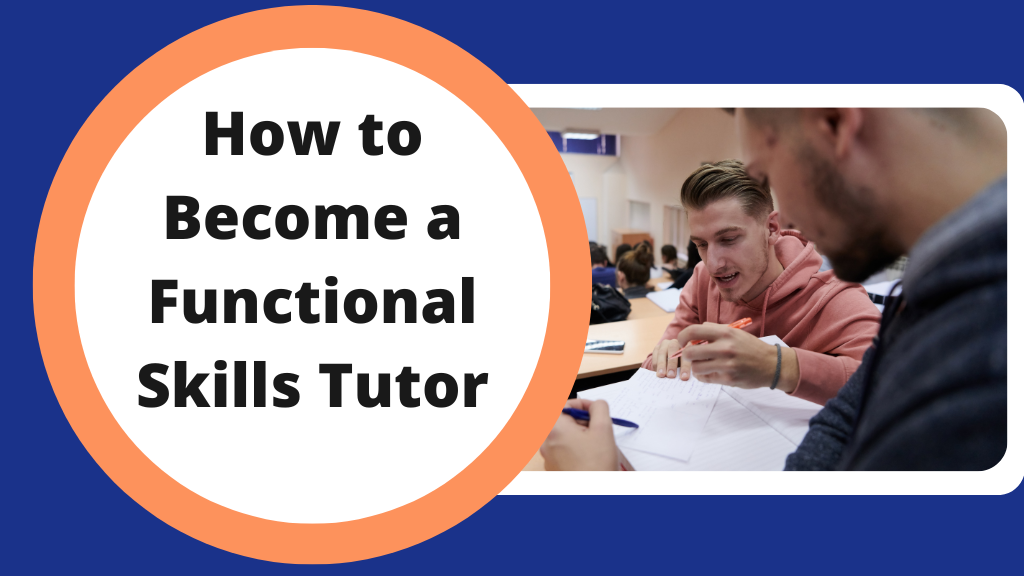
Functional Skills qualifications help thousands of learners gain the English and Maths skills they need for work and everyday life. Behind every successful learner is a confident, well-trained tutor.
What does a Functional Skills Tutor do?
Functional Skills are nationally recognised qualifications in English, Maths and digital skills, available from Entry Level to Level 2. They focus on practical application rather than theory and are often required for apprenticeships, vocational courses and many job roles. Achieving Functional Skills Level 2 is equivalent to a GCSE grade 4/C and is a common progression requirement.
As a Functional Skills tutor, you plan and deliver lessons that help learners build practical reading, writing, speaking, listening and problem-solving skills. You might teach apprentices, adult learners returning to education, vocational students or those who did not previously achieve GCSE English and Maths.
Your responsibilities usually include:
- Planning and teaching lessons
- Adapting teaching methods to suit different learner needs
- Preparing learners for exams
- Assessing progress
- Providing feedback
- Supporting confidence and motivation
What skills & qualities do you need to become a Functional Skills Tutor?
Becoming a successful Functional Skills tutor is about more than subject knowledge. Learners often come from different educational backgrounds and may need extra encouragement and support to rebuild confidence in English or Maths.
Some of the most important qualities include:
Strong Communication Skills
Functional Skills tutors need to explain topics clearly and simply. Many learners may have struggled with traditional teaching methods in the past, so being able to break down information into manageable steps is important.
You should also feel confident adapting your communication style for different learners, whether you are teaching adults, apprentices or vocational students.
Patience & Encouragement
A large number of Functional Skills learners return to education after negative experiences at school. Patience, understanding and encouragement help create a supportive learning environment where learners feel comfortable asking questions and making mistakes.
Tutors who stay positive and approachable often help learners build confidence alongside their qualifications.
Good Organisation Skills
Functional Skills tutors are responsible for planning lessons, tracking learner progress, preparing learners for exams and keeping accurate records. Good organisation helps sessions run smoothly and ensures learners stay on track.
Adaptability
No two learners are the same. Some may learn best through discussion, while others prefer visual examples or practical activities. Being flexible and willing to adjust your approach helps learners stay engaged and improve their understanding.
Confidence in English or Maths
You should have strong subject knowledge in the area you plan to teach, usually English, Maths or both. Most employers expect tutors to hold qualifications at Level 2 or above in their specialist subject.
Functional Skills teaching also focuses on applying knowledge in real-life situations, so tutors should feel comfortable relating topics to work, everyday tasks and practical scenarios.
Qualifications You Need to Become a Functional Skills Tutor
There are different routes into teaching Functional Skills, depending on your background and experience. For many people new to teaching, the most common starting point is the Level 3 Award in Education and Training (AET).
Level 3 Award in Education and Training (AET)
The AET is an entry-level teaching qualification designed for those looking to move into education and training. You do not need to be in a teaching post to enrol, which makes it ideal if you are planning a career change or looking to become a Functional Skills tutor for the first time.
The course introduces core teaching methods, lesson planning, assessment approaches and how to create an inclusive learning environment. It helps you understand how learners develop and how to structure sessions so that your subject knowledge is delivered clearly and effectively.
By completing the AET, you gain a recognised qualification that allows you to apply for Functional Skills teaching roles in further education, apprenticeship providers and training organisations. It gives you the confidence and foundation you need to step into the classroom and begin building your experience.
Where can a career as a Functional Skills Tutor lead?
A career as a Functional Skills tutor can open several pathways within education and training. Many tutors begin in further education colleges, private training providers, apprenticeship programmes or adult learning centres, building experience before progressing into more specialised or senior roles.
With experience, you might move into lead tutor positions, curriculum development or apprenticeship coordination. Some tutors progress into curriculum leadership, overseeing Functional Skills delivery across a department, managing other tutors and shaping teaching strategies. Others move into internal quality assurance, making sure teaching and assessment meet awarding body standards.
You can also broaden your role by becoming a qualified assessor. This allows you to formally assess learners’ skills and knowledge in classroom or workplace settings. To do this, you would usually complete an assessment qualification like the Level 3 Certificate in Assessing Vocational Achievement (CAVA), enabling you to assess both vocational and Functional Skills learners.
How to Become a Functional Skills Tutor
If you’re planning to move into Functional Skills teaching, there are practical steps you can take before applying for roles.
Strengthen Your Own English, Maths & ICT
Make sure your subject knowledge is secure, ideally at Level 2 or above. Refresh key topics and practise applying them to real-life situations, as this is central to Functional Skills teaching.
Gain Classroom Exposure
Supporting lessons as a teaching assistant or volunteering in adult education can help you understand how sessions are structured and how different learners respond.
Practise Explaining Concepts Simply
Functional Skills learners often need clear, straightforward explanations. Practising how you break down topics and adapt explanations will build confidence.
Build Experience with Different Learners
If possible, offer one-to-one or small group support in English or Maths through community programmes or apprenticeship settings. This helps you develop confidence in managing different needs and abilities.
Start Your Teaching Qualification
Beginning a recognised teaching qualification shows commitment and gives you structured knowledge of planning, assessment and learner support.
Start Your Functional Skills Teaching Career with Carlton Training
A career as a Functional Skills Tutor gives you the opportunity to make a genuine impact as you’ll guide learners to develop the skills and confidence they need to progress in work, education, and everyday life. With the right training and support, you can step into this rewarding job and build a stable and satisfying career.
At Carlton Training, we deliver nationally recognised teaching qualifications that can set you on the path to Functional Skills teaching. Our courses are built with busy professionals in mind, with flexible study options and support from experienced tutors to help you along the way.
If you’re ready to get started, take a look at our range of adult teaching courses and start your journey today.
Next ›‹ Previous
Back to Blog